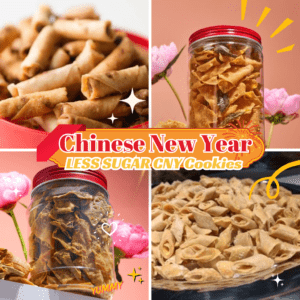
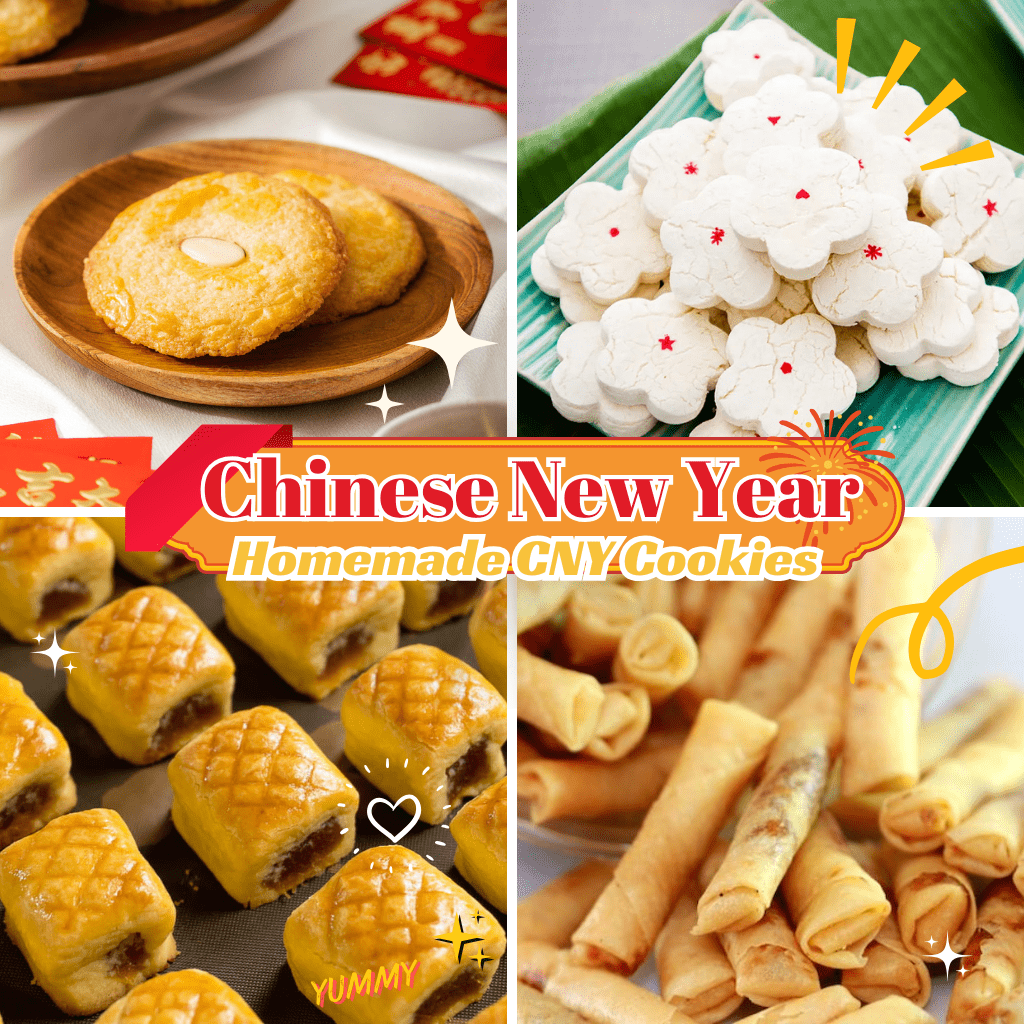
When people talk about Lunar New Year, the first things that come to mind are red packets, firecrackers, and reunion dinners. But if you look closely, every Malaysian Chinese household has a few jars of cookies on the table. Simply put, they’re part of the “New Year atmosphere.” Especially “Homemade CNY Cookies”—just seeing those transparent jars makes people feel: ah, the New Year has really arrived.
Why People Love “Homemade CNY Cookies”
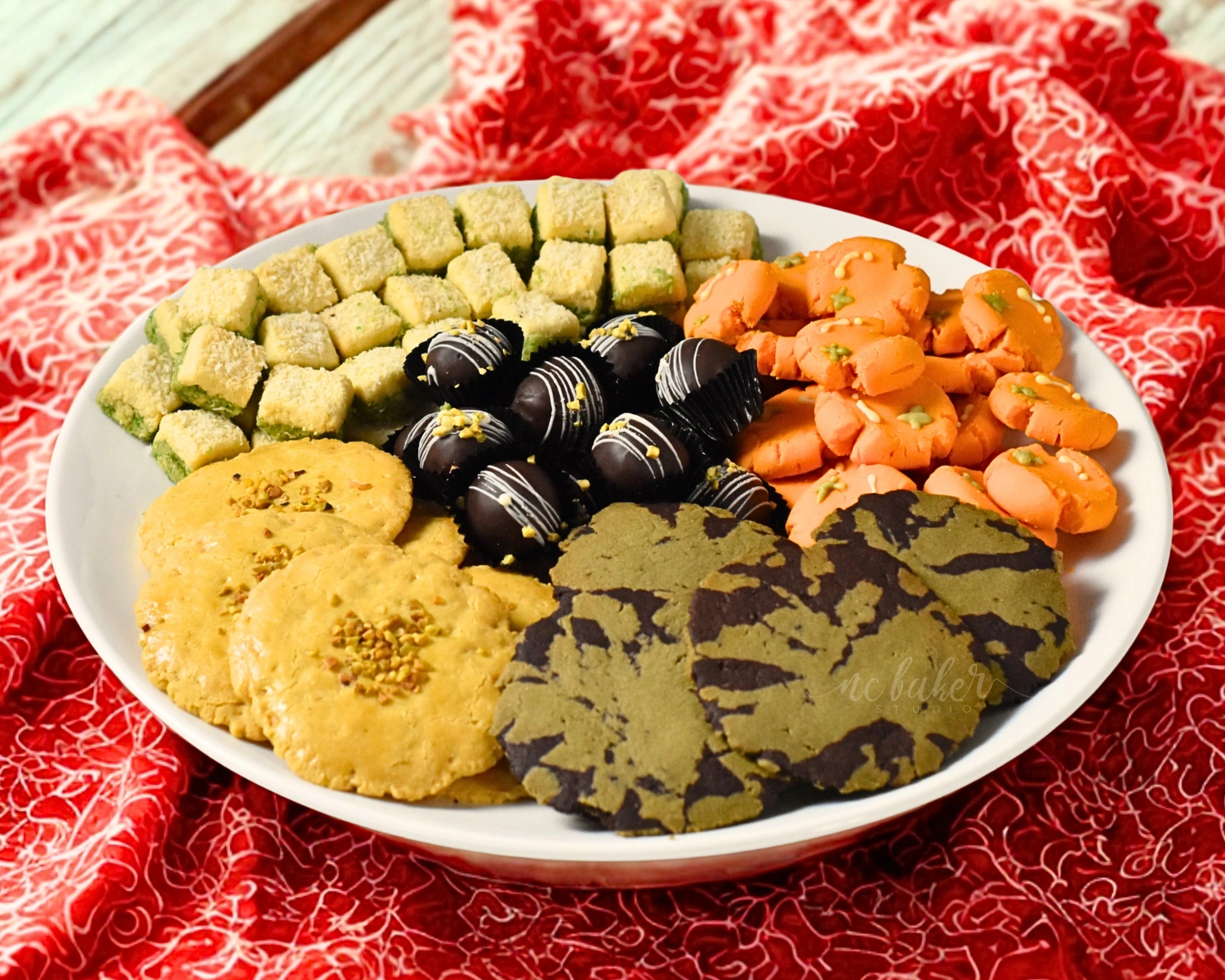
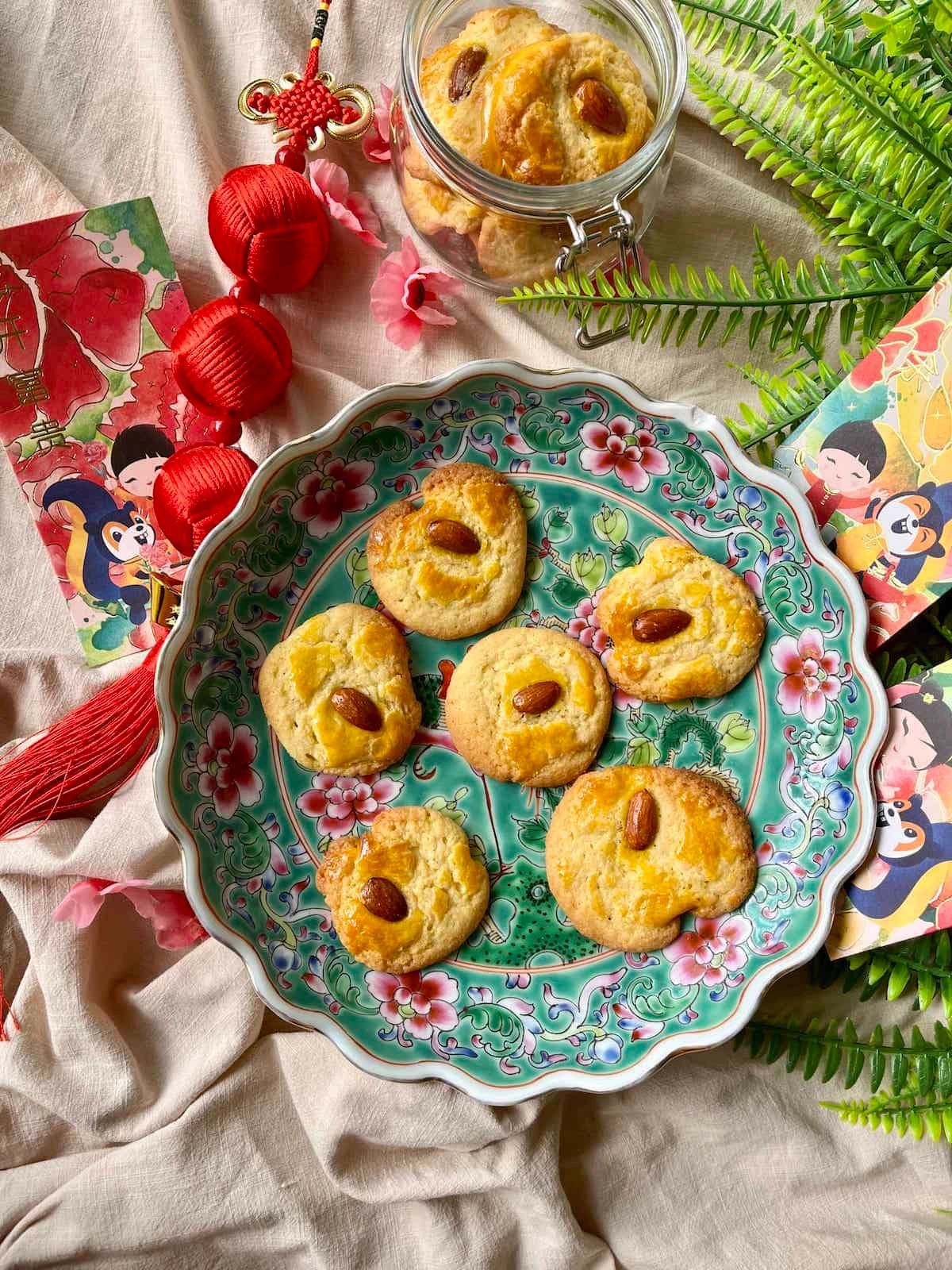
What many don’t realize is that the charm of homemade festive cookies isn’t just that they taste good. They represent “someone made this for you by hand.” Factory-made cookies are convenient and consistent, but they lack that human touch. For example, if a friend gives you a jar of peanut cookies they made at home, you’ll naturally imagine them busy in the kitchen. That feeling is something factory products can’t provide.
The Difference of Freshly Made
Many people trying homemade festive cookies for the first time will say: wow, it smells better. The reason is simple—homemade cookies are usually made just before the New Year, with fresh ingredients and no preservatives. Take pineapple tarts: factory versions may add extra ingredients for longer shelf life, but homemade ones are just flour, butter, sugar, baked and eaten right away. The aroma is naturally stronger.
“Homemade CNY Cookies” vs. Factory Cookies
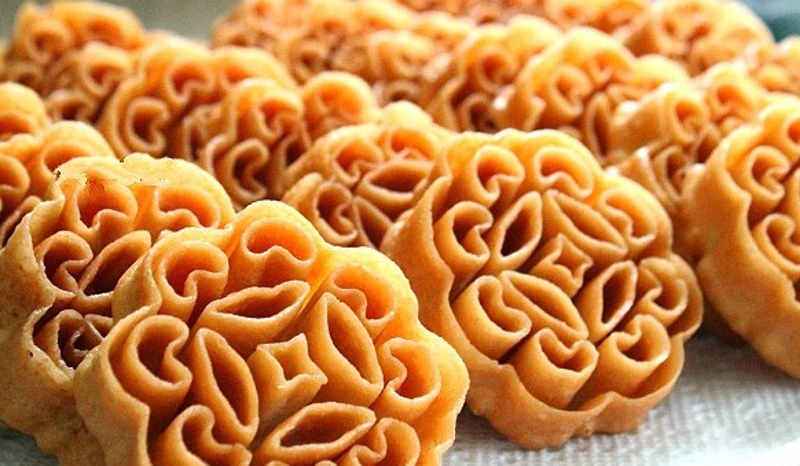
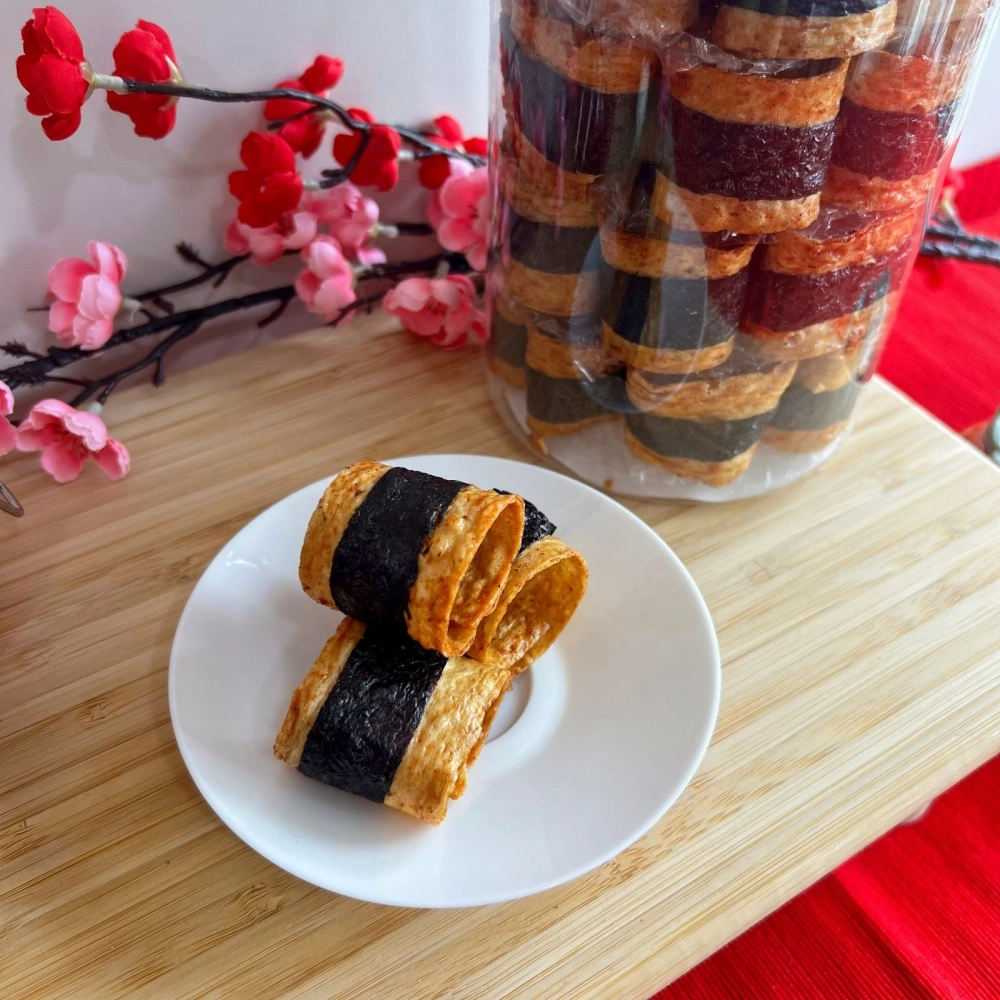
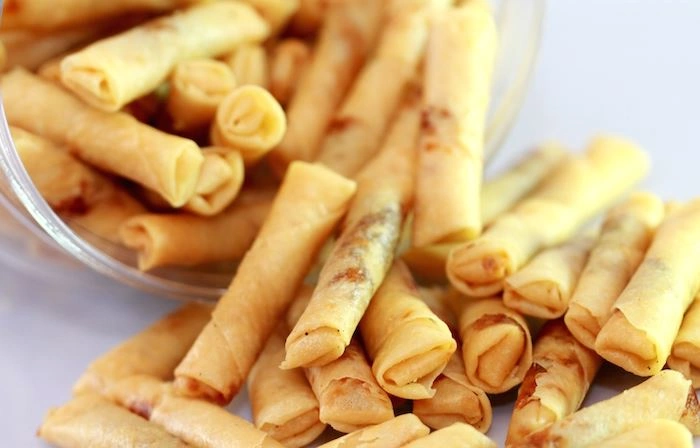
In short, factory cookies have the advantage of “consistency”—every piece tastes about the same, suitable for mass gifting. Handmade cookies, on the other hand, have “personality.” Different families use slightly different recipes—some sweeter, some saltier. Like kuih kapit: some families make them extra crispy, others slightly thicker. That’s the unique charm of homemade cookies.
What to Note When Buying “Homemade CNY Cookies” for the First Time
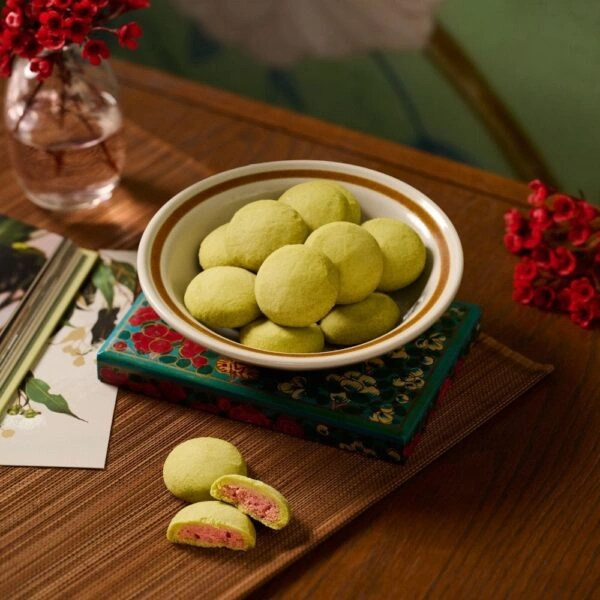
For those buying homemade festive cookies for the first time, here are a few things to keep in mind:
- Price: Usually higher than factory cookies, because handmade takes more time.
- Packaging: Often simpler, usually just a transparent jar with a label.
- Storage: Since there are no preservatives, keep them in a cool place. Once opened, finish quickly—don’t leave half a jar until after the New Year.
Everyday Malaysian Scenes
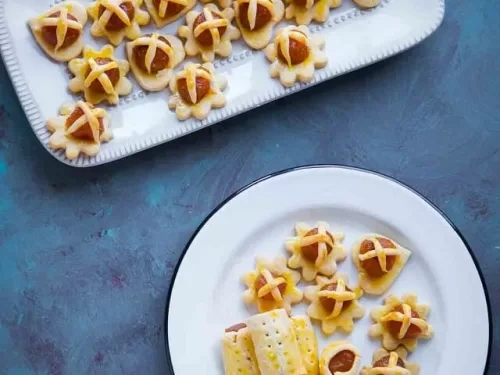
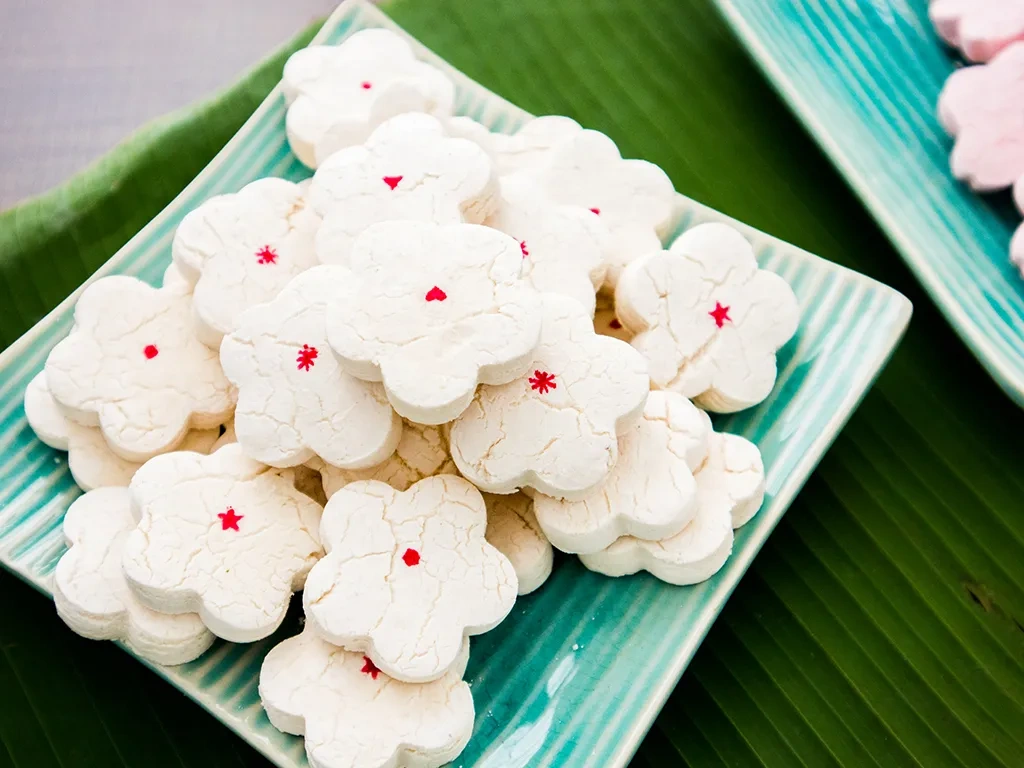
In Malaysia, many aunties make festive cookies at home, sometimes treating it as a “gathering activity.” Relatives and friends knead dough, bake cookies, and chat while working. The pineapple tarts you bought this year might have taken a family several evenings to complete. People often say eating homemade cookies means tasting not just flavor, but also human warmth.
Common Misunderstandings
Some assume homemade festive cookies are always “traditional.” In fact, they evolve with the times. Many younger people now experiment with less sugar, or add new elements like matcha pineapple tarts or chocolate kuih bangkit. Simply put, homemade cookies aren’t stuck in the past—they keep changing. But the spirit remains: handmade, made with care for people to enjoy.
A Small Experience to Share
If you get the chance to try homemade festive cookies at a friend’s house, notice one detail: usually the first bite feels “fresh.” For example, peanut cookies—factory versions may be harder, but homemade ones melt in your mouth, with aroma and texture that are unforgettable. That’s why many people insist on buying homemade festive cookies every year.
Homemade festive cookies on Malaysian New Year tables aren’t just snacks—they’re an extension of lifestyle. People say flavors may change, but the phrase “homemade festive cookies” will always carry warmth.